Spring Visitors and Events

Comings & Goings

Ajahn Jarat, the abbot of Wat Pah Mettagiri in Thailand, will be visiting the Hermitage from April 21st – 23rd.  Ajahn Sudanto has spent time with Ajahn Jarat in Thailand in the past, and it will be such a joy to have him visit us here – continuing to connect us to our Thai Forest roots.

Ajahn Jarat will join Ajahn Sudanto for two Dhamma events: both of the Tuesday evening meditations at Yoga Samadhi, and a Q&A, meditation, and Dhamma reflection at Portland Friends of the Dhamma, details here.  He will depart the Hermitage on the 23rd to visit Abhayagiri.  We are looking forward to his visit.

Tan Jotimanto will be arriving from Abhayagiri on April 23rd, and will be resident at the Hermitage through the end of August. Originally from Oregon, Tan Jotimanto took bhikkhu ordination in December of 2019.

Ajahn Sudanto will be away most of May at Birken for the Annual Birken Pacific Hermitage retreats, returning on May 25th.  The community meditations (6:30-7:30 PM) will continue in his absence, led by volunteers.  The 5:15-6:15 meditation will pause until Ajahn’s return.

Garden Parties

Many thanks to all for the well-attended and very helpful April Garden Party! With Ajahn away, there will not be one held in May, so the next one will be on Saturday, June 6th.

Vesāka Puja Celebration

Sometimes called “Buddha Day,” Vesāka puja celebrates the birth, enlightenment, and passing away (parinibbana) of the Buddha. It occurs on the full moon of May, and this year we will celebrate it on Saturday, May 30th at the Hermitage. The schedule for the day is from 10:30 AM – 1:30 PM.

  • Arrive at 10:30 AM
  • Meal to be offered at 11:00 AM, followed by cleanup
  • At about noon, we will have time for chanting, precepts, and Dhamma conversation.

Save the Date

The 2026 Pah Bah will be held on Saturday, September 19th, and Sunday September 20th. More details to follow in the coming months.

Meditation – So Simple and Yet So Hard

excerpted from Ajahn Sudanto’s “Enjoy your Buddhist life” talk, June 2025 given at Portland Friends of the Dhamma

In essence, meditation is so simple and yet so hard… it’s just rare I meet the satisfied meditator, and in the circles I run, you would think if they’re out there, I would. This is not something exclusive to lay people, there are a lot of dissatisfied monks and nuns out there too when it comes to their meditation practice.

It’s almost like a little koan for me, it’s so simple.  What are we talking about here? Attending to the body, watching your breath go back, go forth, or arousing the wish for goodwill for all beings.  I have a sense of appreciation and compassion for why these things are hard, but at the same time the essence of it is so simple. It’s the simplest thing you’ve ever been asked to do, and yet it’s the hardest thing you’ve been asked to do.

More and more, I’m questioning the role of striving and over-identification that trips people up in their practice.  There’s no simple one way the Buddha taught meditation. If you study the Buddhist suttas, there’s really a plethora of ways that he talks about working with the mind.  And these days, when there is much more attention there is to the whole of the path, cultivating a skillful life, and arousing right effort in different ways, why is it we struggle?  Why there is dissatisfaction?

Sometimes I fall back on just analyzing things through these Buddhist templates, they are very useful ways to analyze things. One of the most primary of these is greed hatred, and delusion. So why don’t I enjoy my meditation practice? Or why isn’t my meditation the way I think it should be? The short answer is greed, hatred and delusion.

I think greed is kind of a funny word as a translation for kama tanha, I know some people struggle with that. They don’t feel like a greedy person, especially when meditating. They think, when I sit down to meditate, how is it that greed is sabotaging my meditation? I think there are a few reasons for that. Maybe people haven’t studied or contemplated it deeply. And the word greed in English conjures up really extreme forms of desire.  But even if you take the more moderate forms of desire, most people are not having a bad meditation because they’re sitting there dreaming of a pint of ice cream.

But greed relates to the very experience of everything we’re doing.  How does greed provide an obstacle to enjoying your meditation? A very standard way is ideas and longings that we have for our meditation experience.  We have greed for a different bodily experience when we sit down to meditate most of the time.  We have a form of greed for different feelings.  We’re often feeling that the whole thing that inspired us to meditate is we want to experience some pleasure. We want to experience some bliss. We want to feel good, and we identify that as meditation. We think good meditation is an easeful, pleasant, bodily experience, pleasant feelings; bliss would be nice.

Really focus in on the idea of our imaginings, the ideals that we bring to this. I have dim memories of when I started, and I had such crude understanding what meditation was.  Despite all the books I was reading and the good talks and support, it really did take years to start to identify all the various ways that constructed these ideals of what it is that I thought I should be doing, what thought I should be feeling.

So, one of the things that makes it easy to enjoy meditation is to foster a bit more non-greed, be more open, set aside the ideals. Come back to the simplicity of it. What are the instructions, and what is the intent? Why do we meditate? The answer I like to come back to these days is that it’s a bit more formal way to operationalize right effort. The Buddha encourages us if we want to train our minds to recognize what’s coming up, make some choices about what to encourage and what to resolve, and based on our knowledge of skillful and unskillful states, to plant the seeds for skillful states to blossom and unskillful states to wane. So, meditation is a strategy to operationalize right effort.

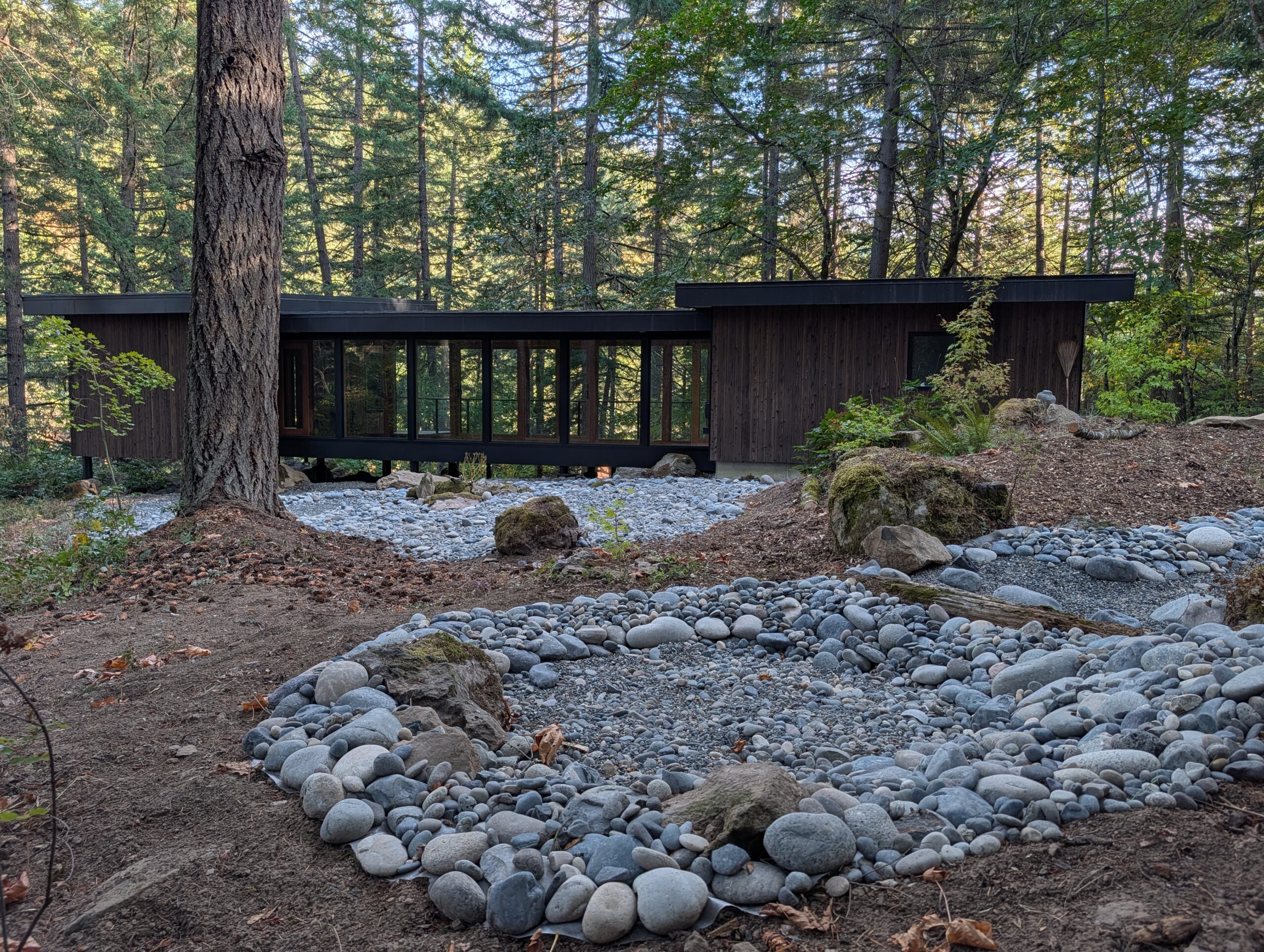
Spring at the Hermitage

Upcoming Travels & Events

Ajahn Sudanto will be traveling from March 16th – March 30th, and there will be no monks in residence during that time. The end of the winter retreat is drawing near, anumodana for all the beautiful support of Ajahn’s retreat time!

Tuesdays at Yoga Samadhi. The 5:15-6:15pm meditation will continue with volunteers in hosting, but the 6:30pm Community Meditation will be on spring break during Ajahn’s absence. Ajahn will be back at the Hermitage for the meal on April 1st, and will remain at the Hermitage until departing for the Birken retreats on May 1st.

The April 4th Garden Party

It’s time for the first Garden Party of the year, which will be held on Saturday, April 4th. As always, there is much to do after the winter break taking care of the land. There is much winter cleanup to be done, ferns to be trimmed, and trees to be replanted. With Ajahn away for the Birken retreats, there will be no Garden Party in May. So April will be a particularly sweet time for the community to come together and care for the Hermitage, and spend time with Ajahn and each other sharing Dhamma conversation

The schedule for the day is as usual:

Meal Offering: 11:00 AM. Feel free to bring a dish for the potluck style meal offering (please arrive by 10:30 if you’re bringing food).

Garden Work: 1:00 PM – 3:00 PM. Please also feel free to bring any extra garden tools for the day, and dress in your ‘garden clothes.’

Tea: 3:00 pm – 4:00 PM.

A Very Joyful Magha Puja

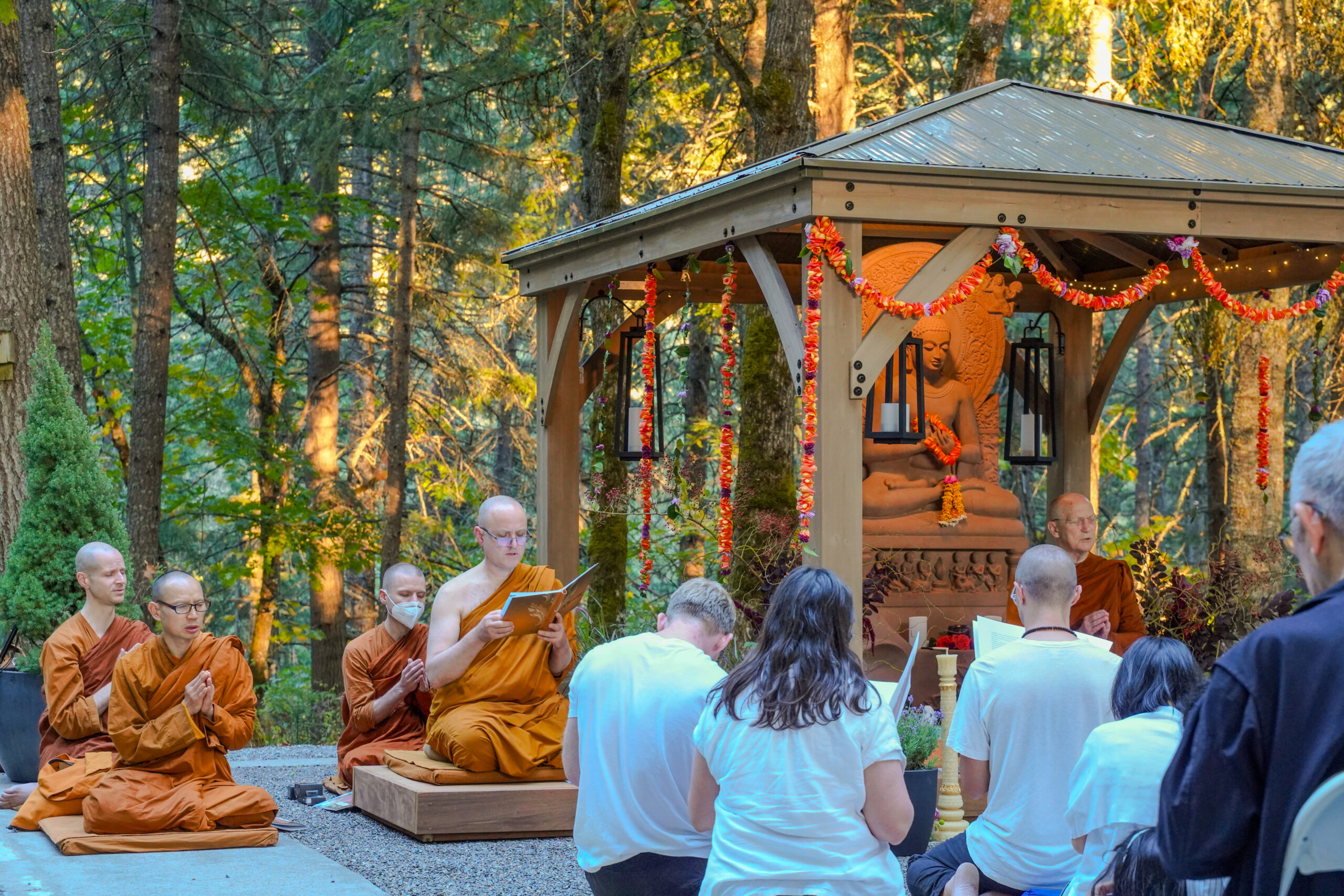
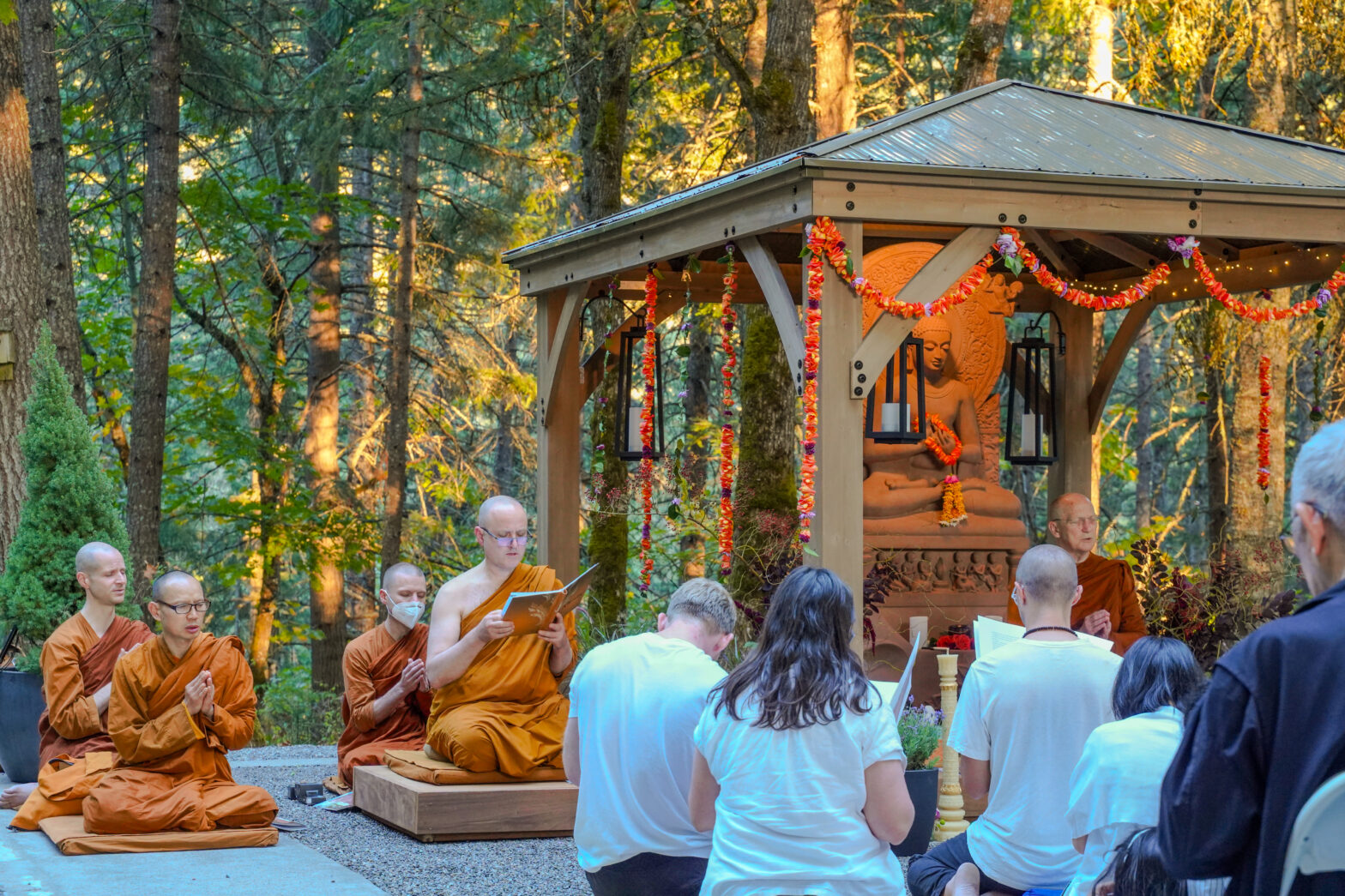
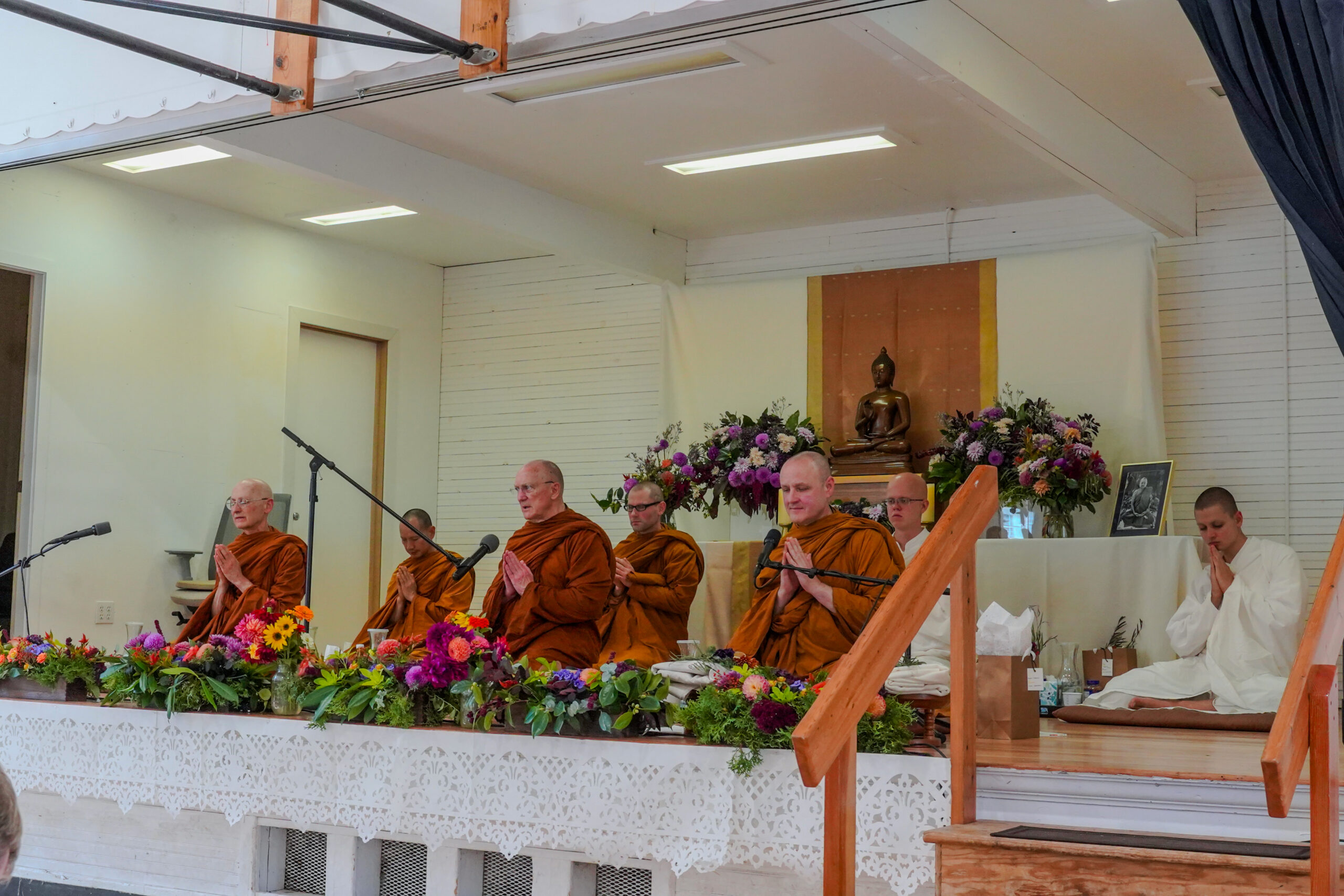
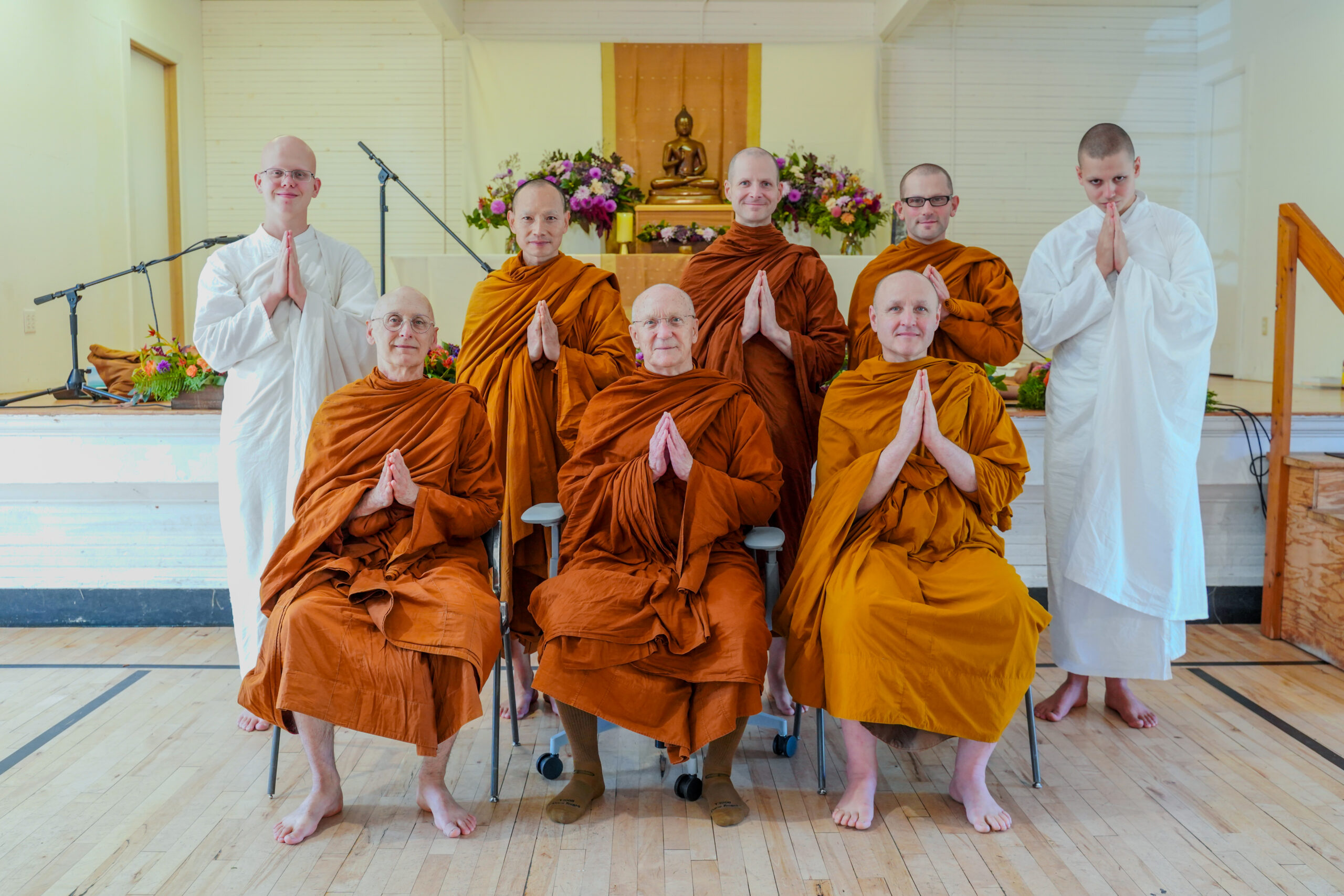
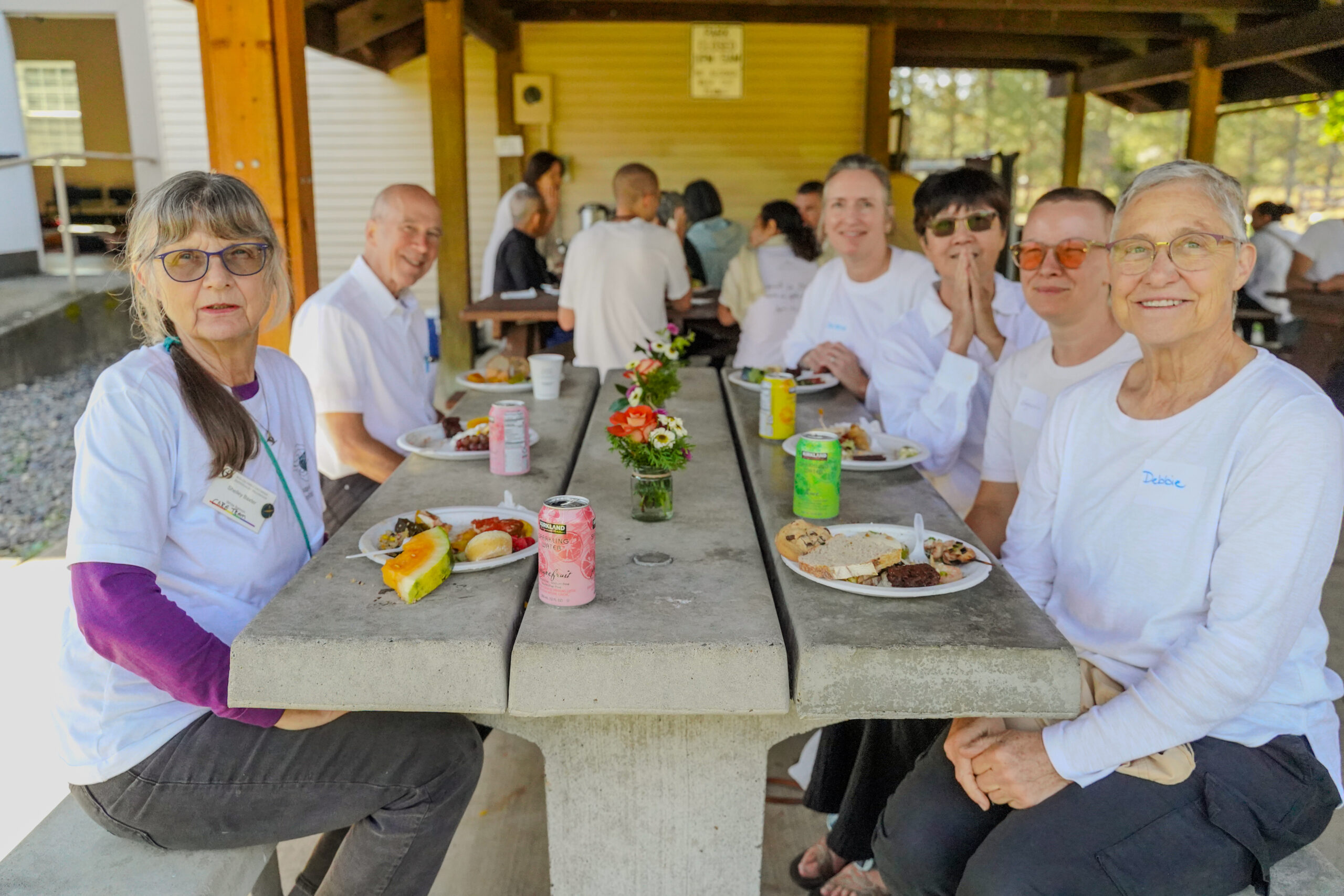
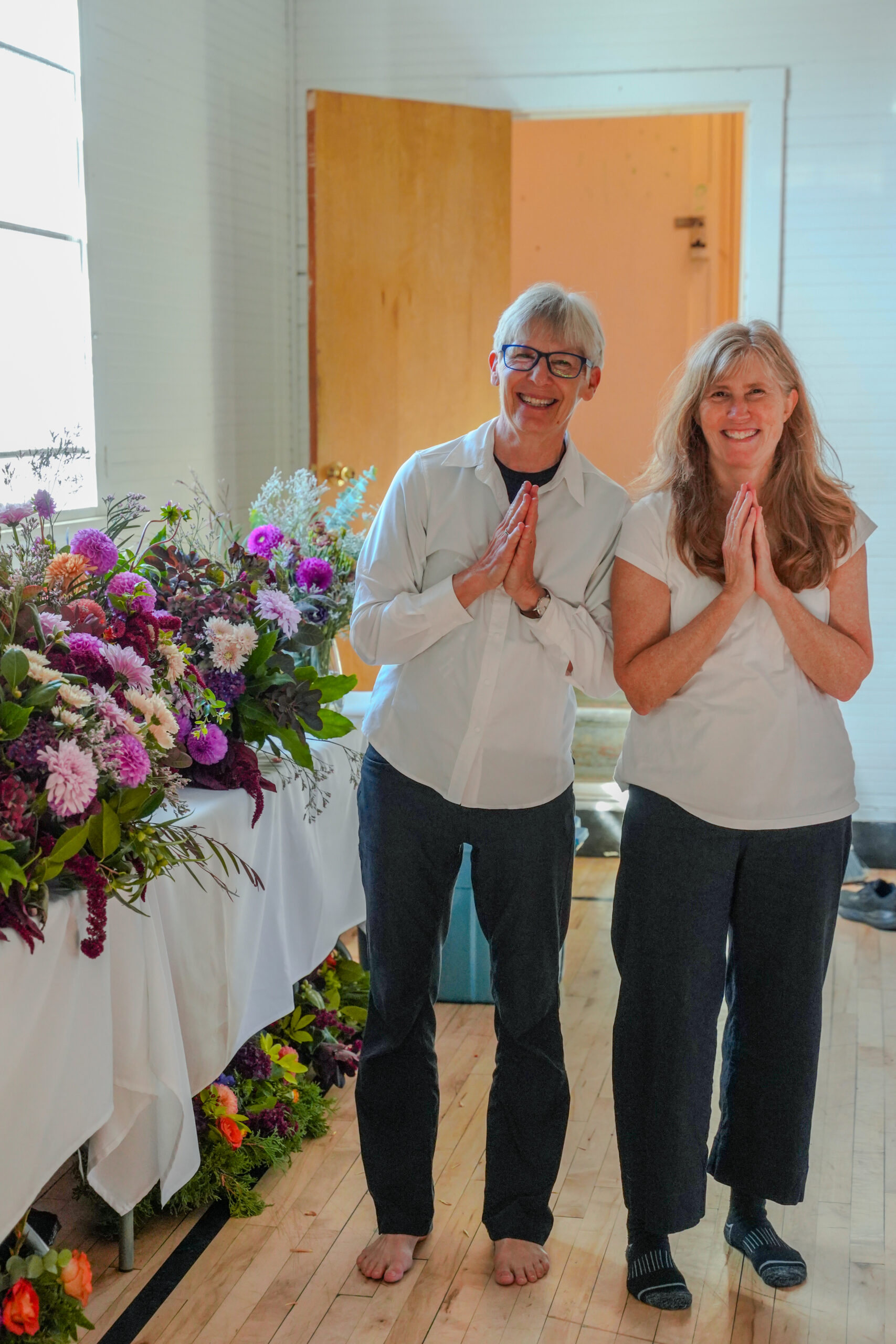
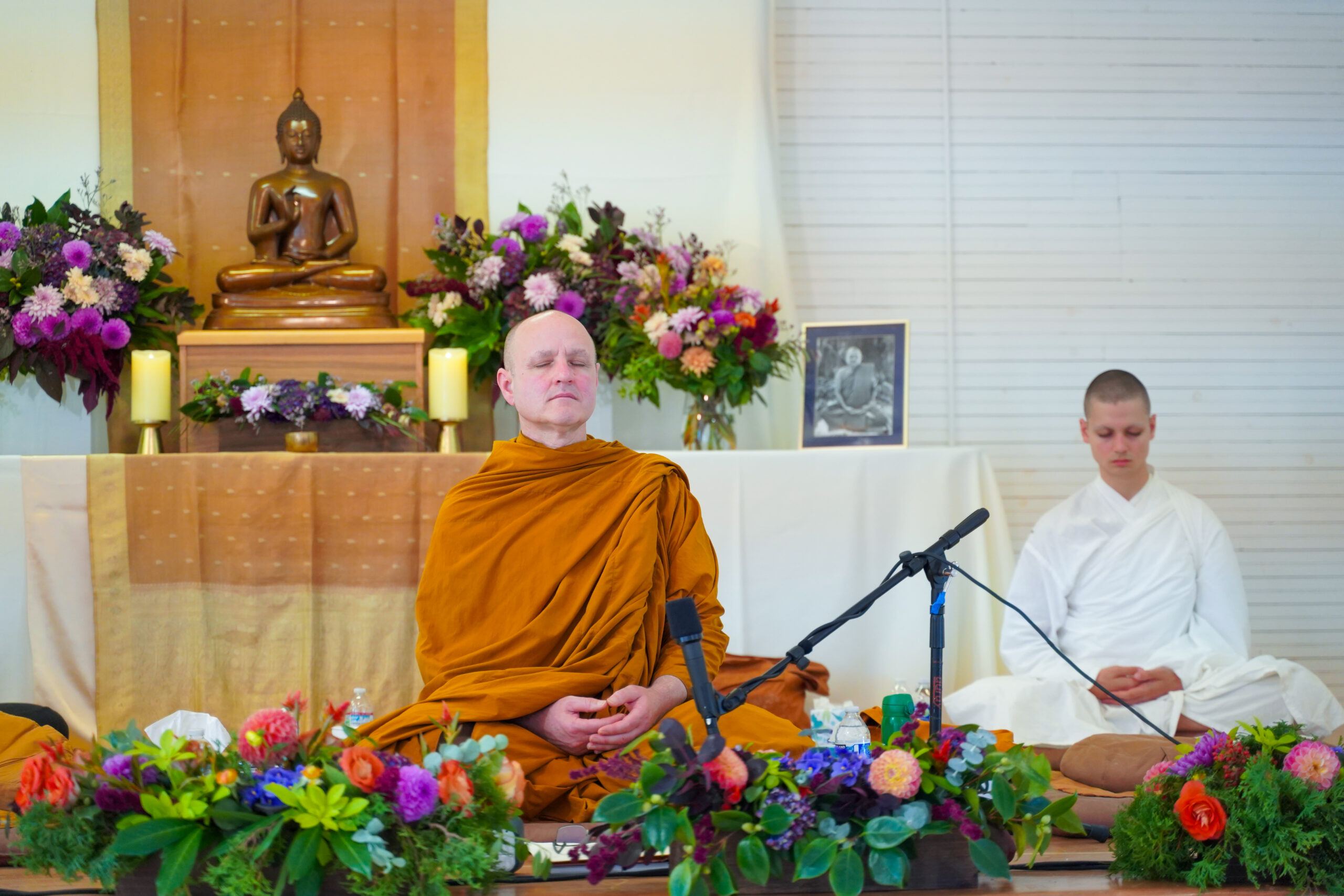
On February 28th, the community celebrated Magha Puja together at the Hermitage. Sometimes called Sangha Day, this day celebrates when 1,250 Arahant disciples spontaneously came together to hear a teaching from the Buddha.

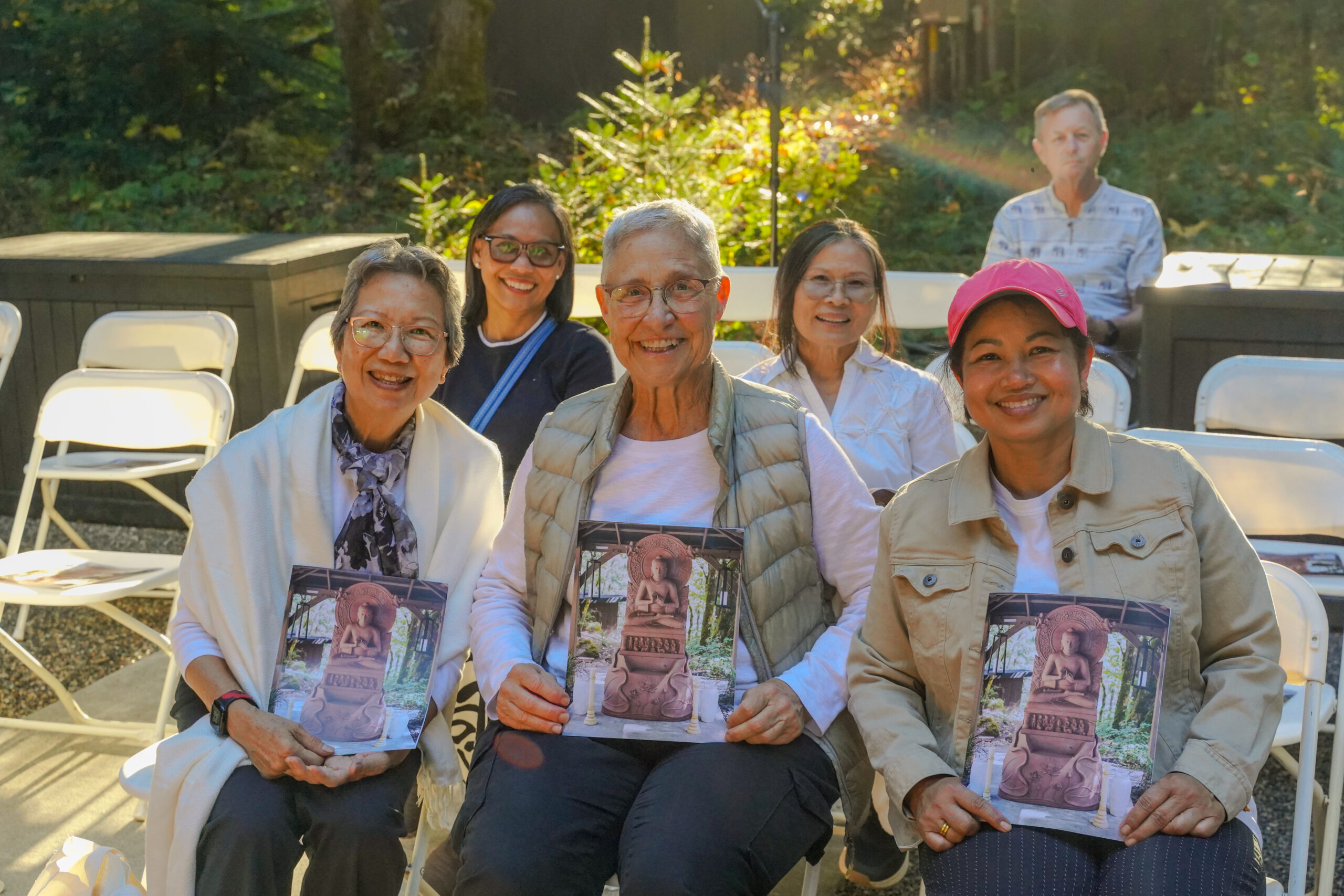
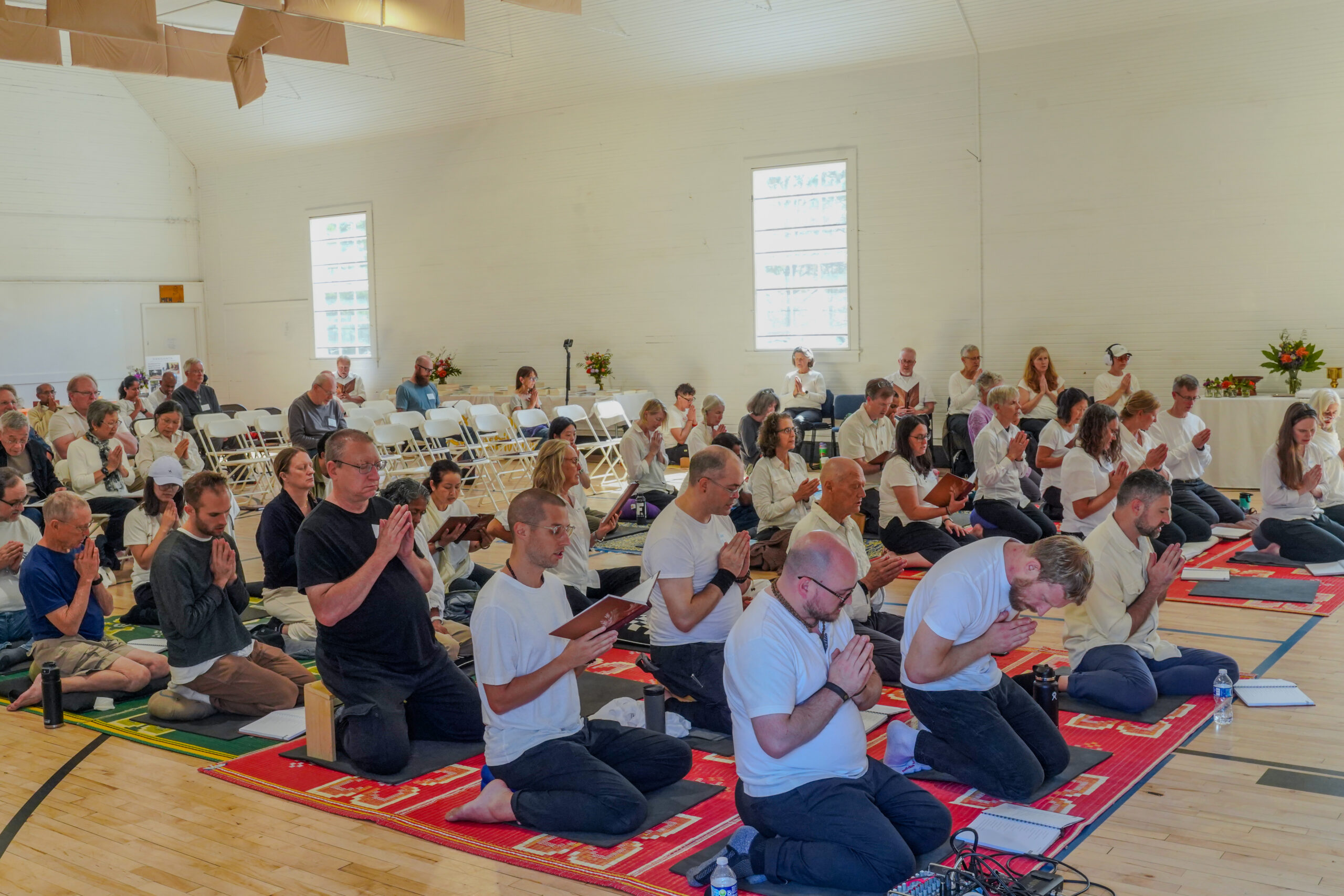
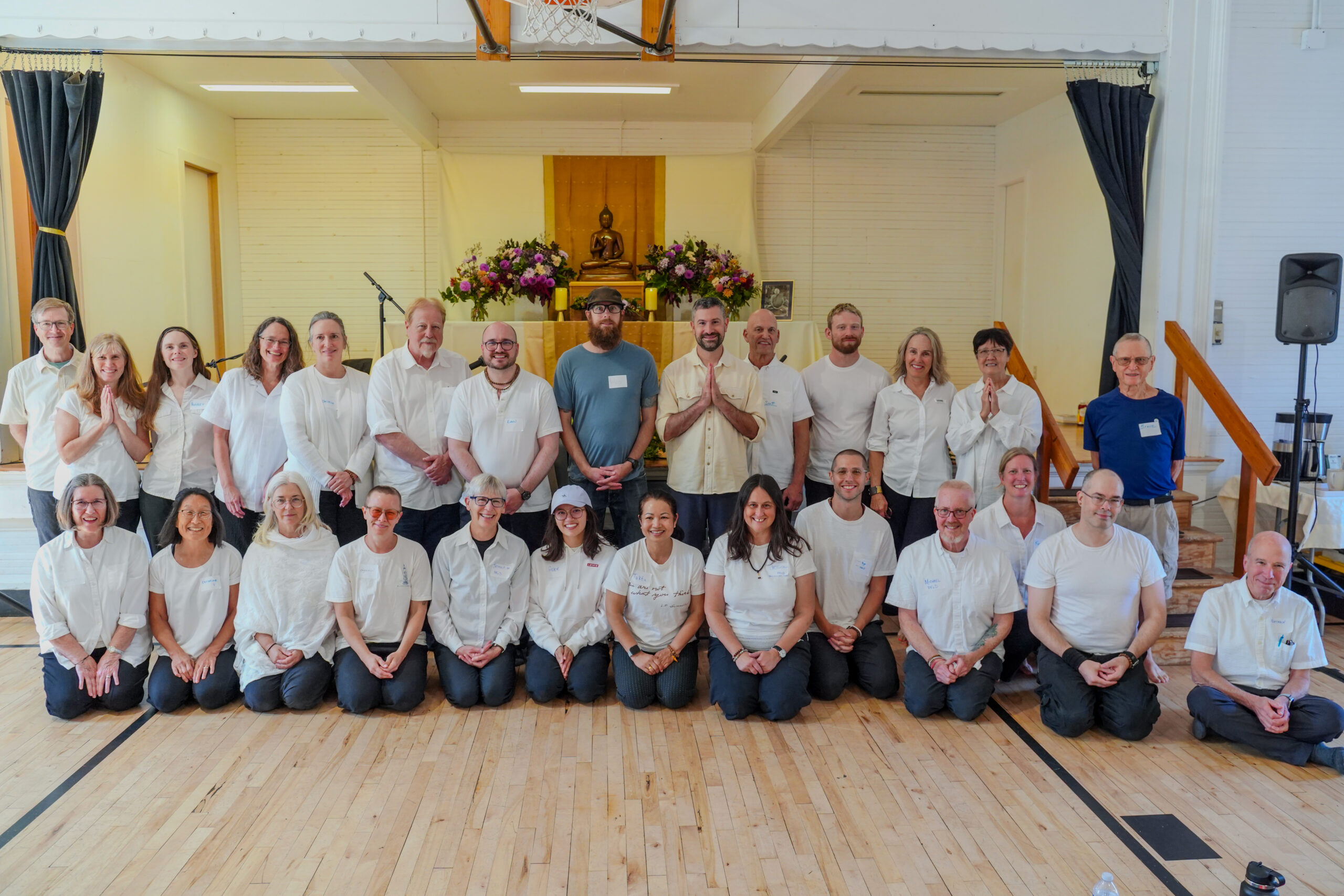
More than 30 people gathered to offer the meal, request the Refuges and Precepts, and chant the Ovadapatimokka teaching. Cagasiri reflected on the day’s events, “When we gather together and tend to our friendships and our community in such a caring way, I find that I’m so deeply nourished by the good we’re building together.”

Magha Puja Celebration on Saturday, February 28th

Join in a community meal offering and celebration of Magha Puja at the Pacific Hermitage. All are welcome! 

Three times a year, the community commemorates the primary Buddhist holy days at the Pacific Hermitage.  Magha Puja (sometimes called Sangha Day) will be observed on Saturday, Feb. 28 in the traditional way: Gathering at the monastery, offering a meal, taking the five precepts together, and talking on Dhamma with the monastics in residence.

The schedule for the day is from 10:00 AM – 1:00 PM, as follows:

  • Arrive by 10 AM.
  • If you like, you can bring a meal or dish to share, already prepared and ready to go on the table when you arrive.
  • We will offer the meal by 10:30, eat, and clean up.
  • Around 11:30, there will be time for chanting, taking precepts, Dhamma conversation, and perhaps tours of the property. There may be other activities as Ajahn Sudanto determines.
  • Families are welcome! There’s a big field, a small pond, and walking trails for kids to enjoy.
  • The event should wrap up around 1:00 PM.

Magha Puja celebrates the occasion when 1,250 arahant disciples spontaneously gathered to hear a teaching from the Buddha, the Ovādapātimokkha.  It is also the day the Buddha announced that he would enter Parinibbana in three months.  Ajahn Maha Boowa offered this talk on the significance of this holiday, if you want to discover more.

We hope to see you there!

A New Buddha Rupa Offered

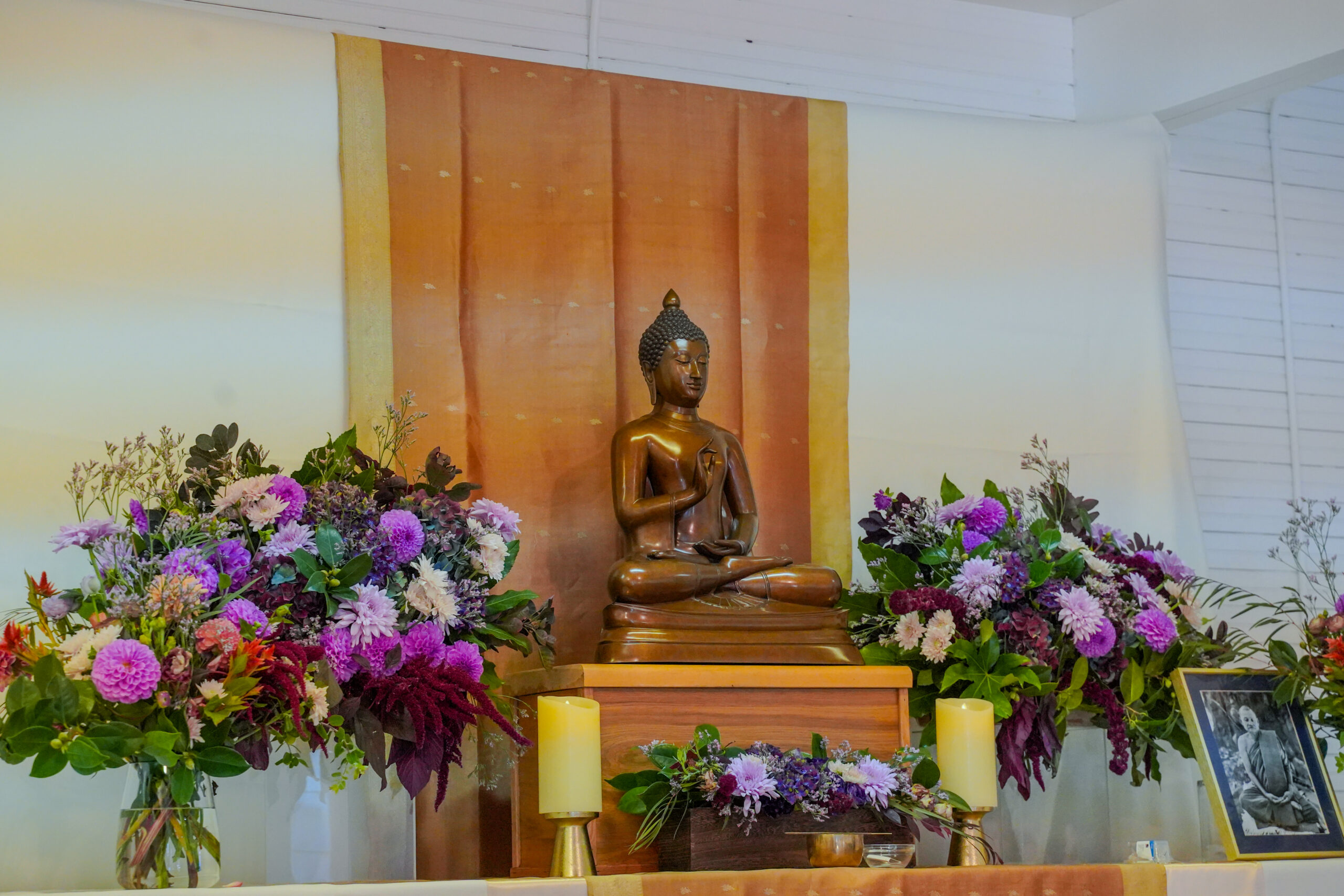
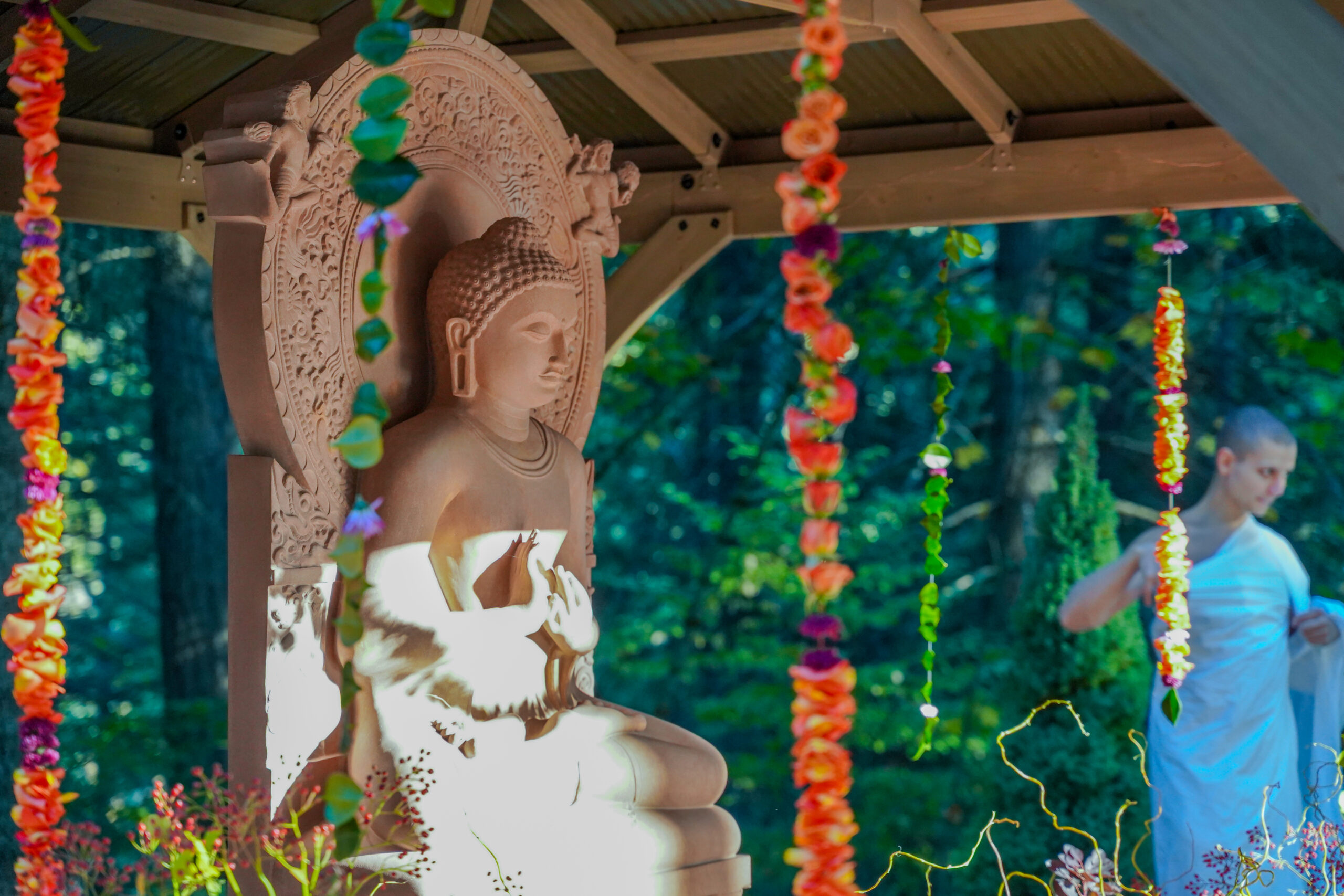
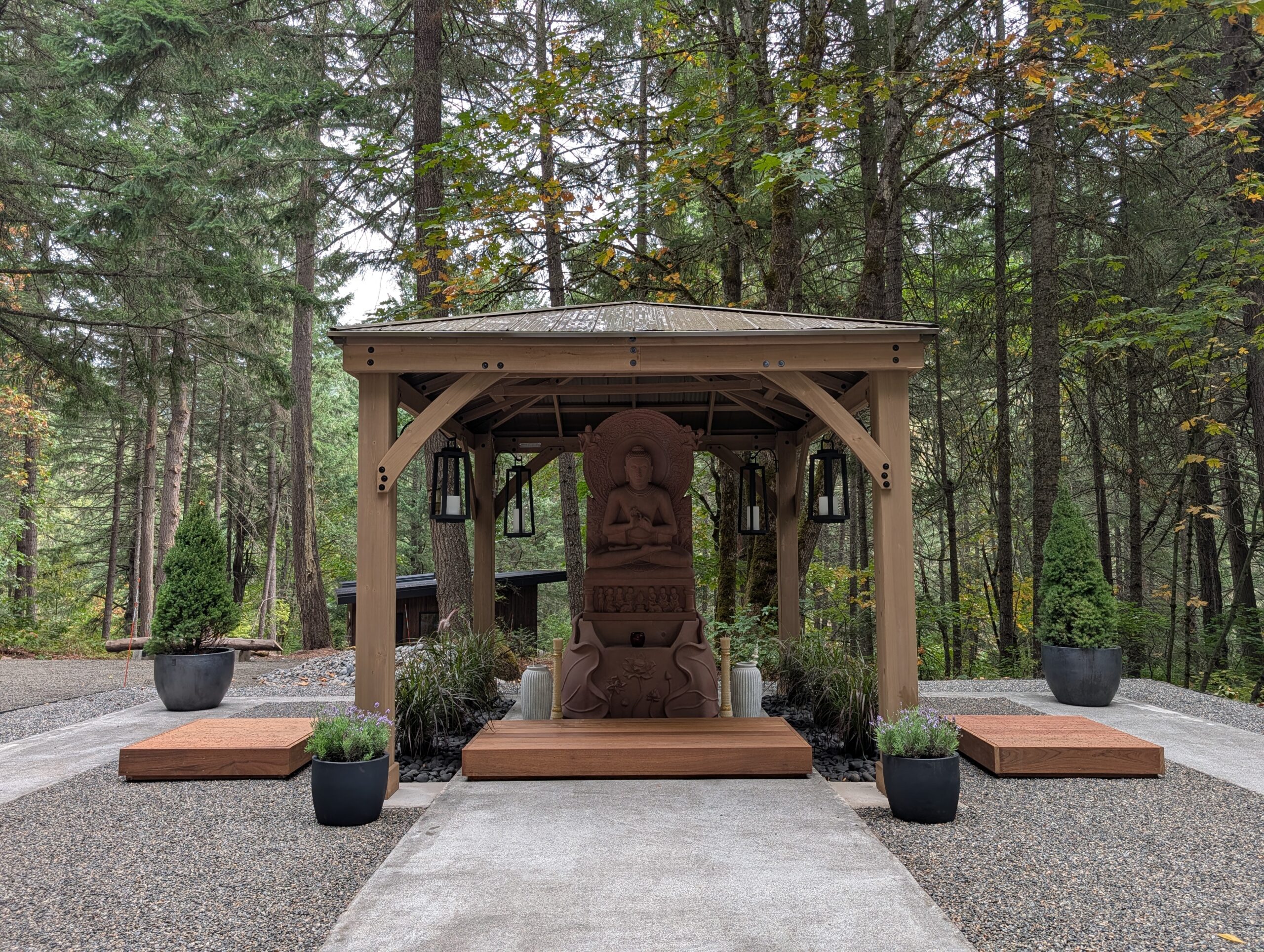
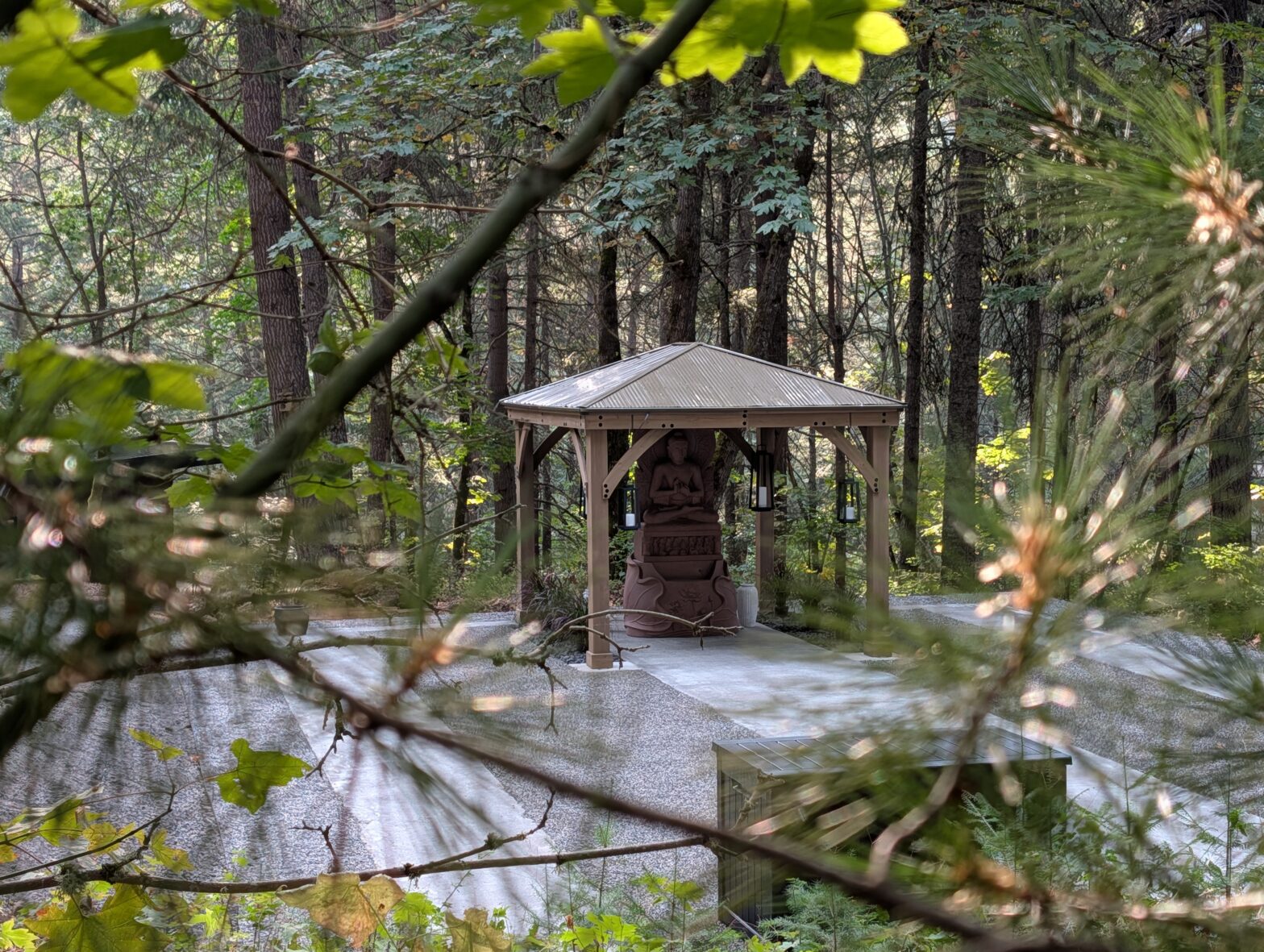
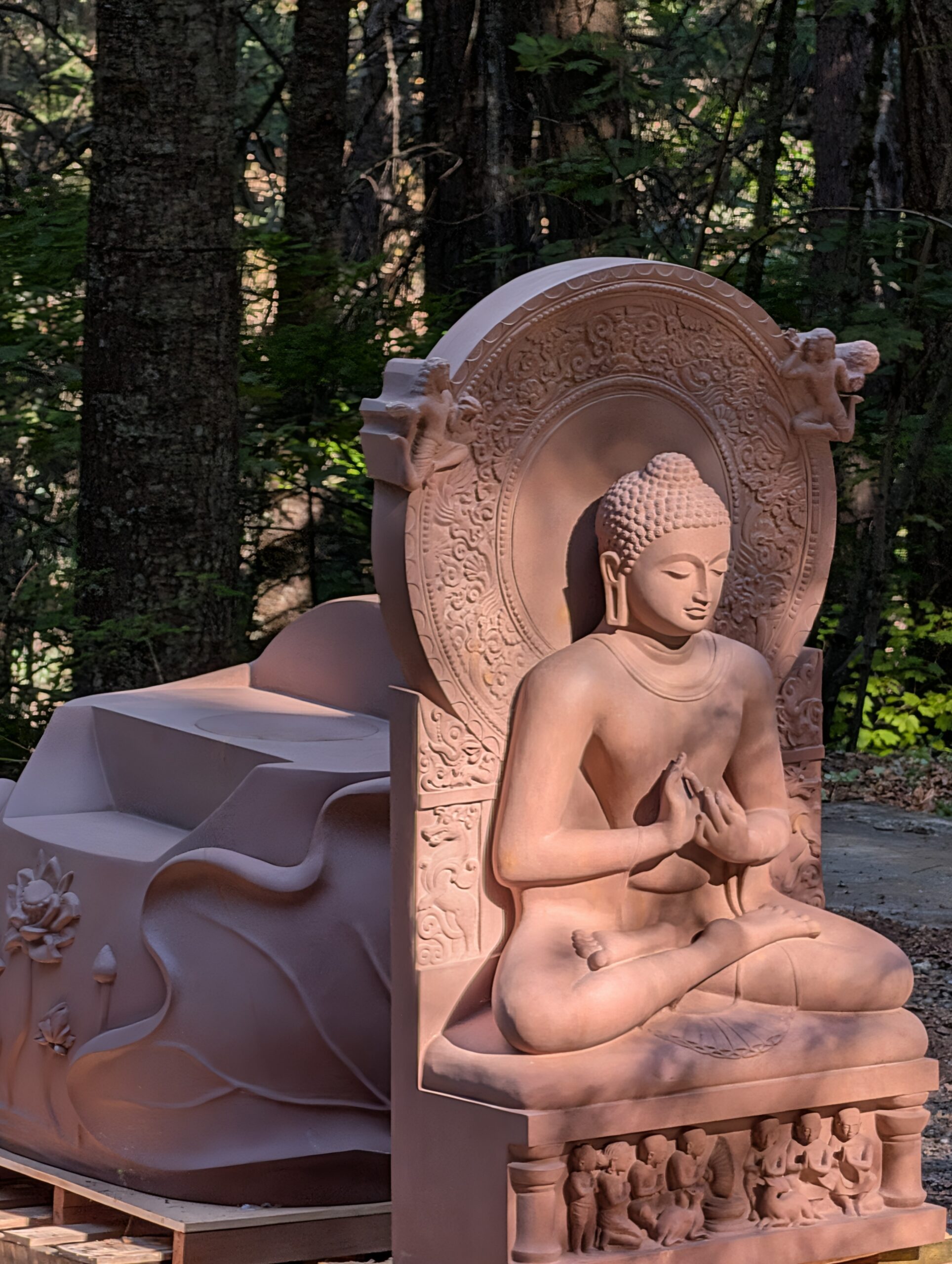
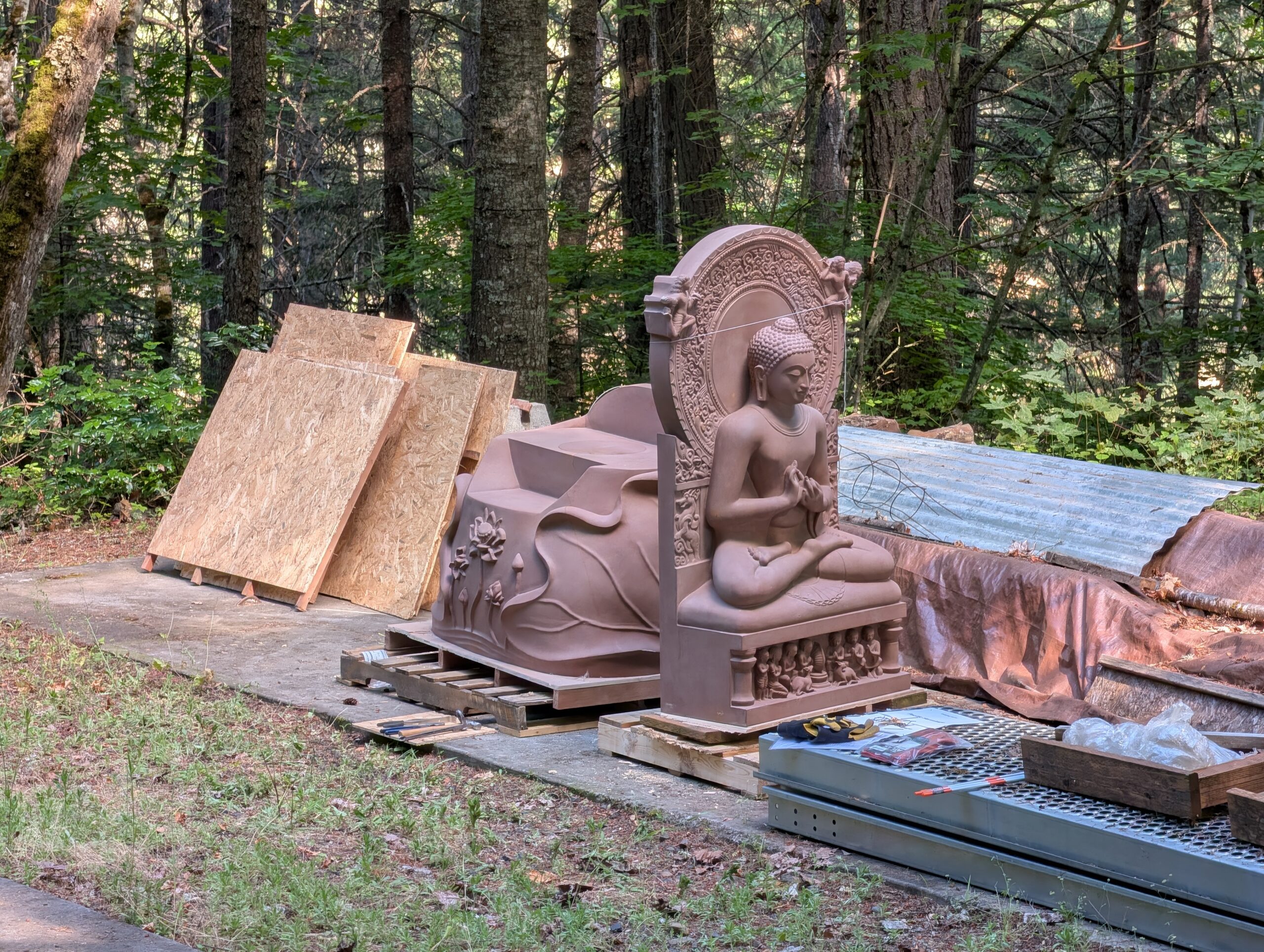
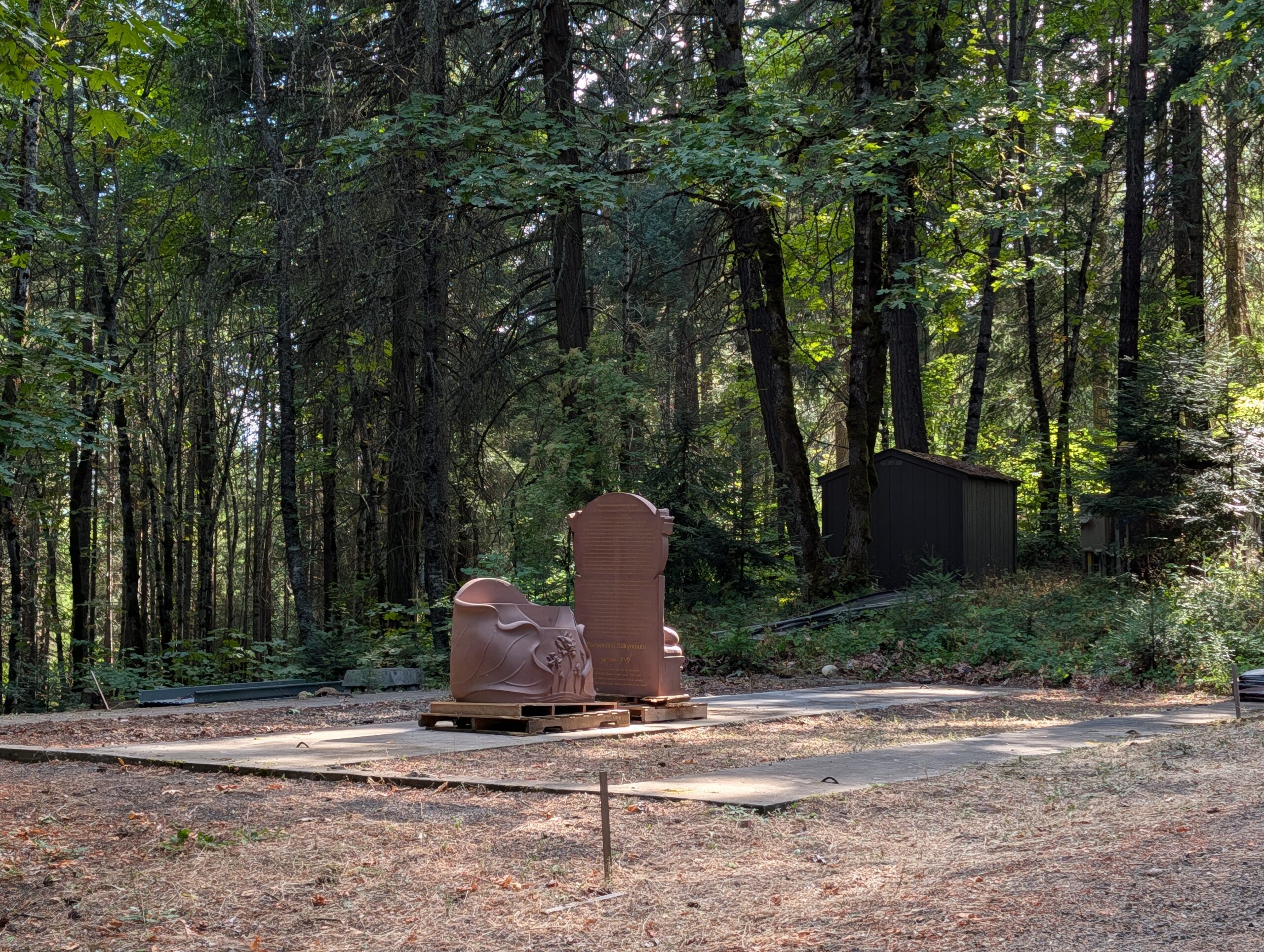
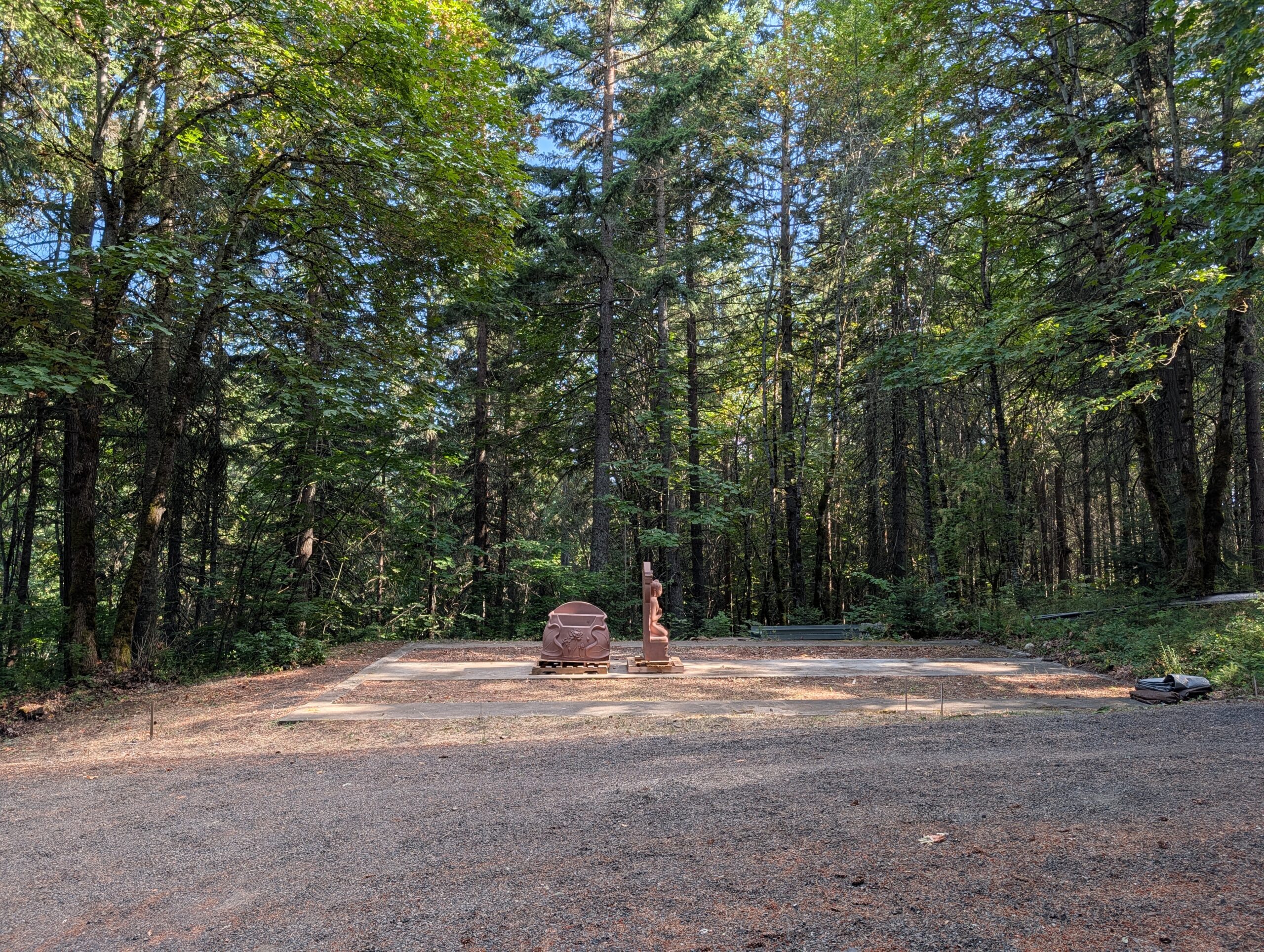
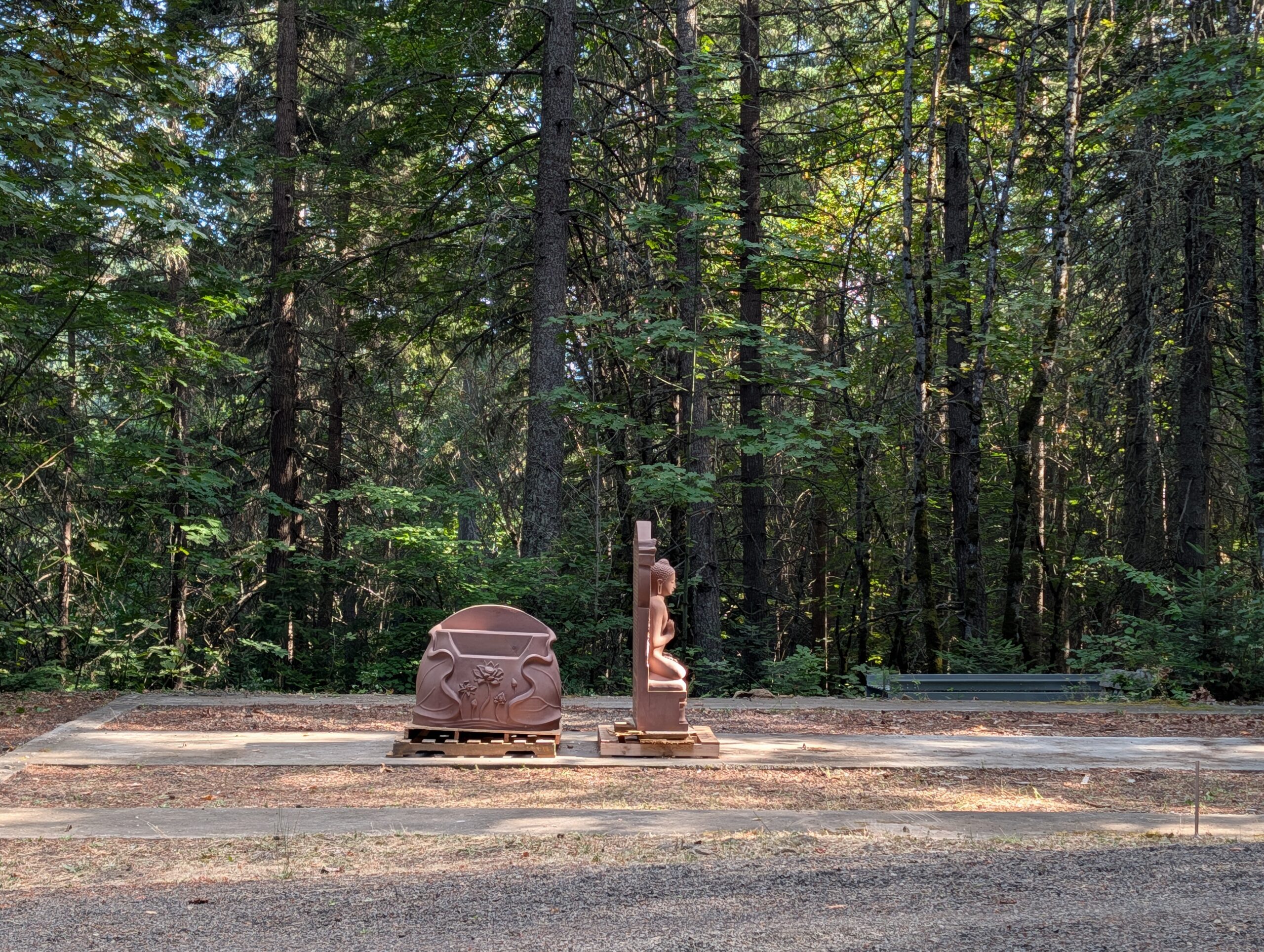
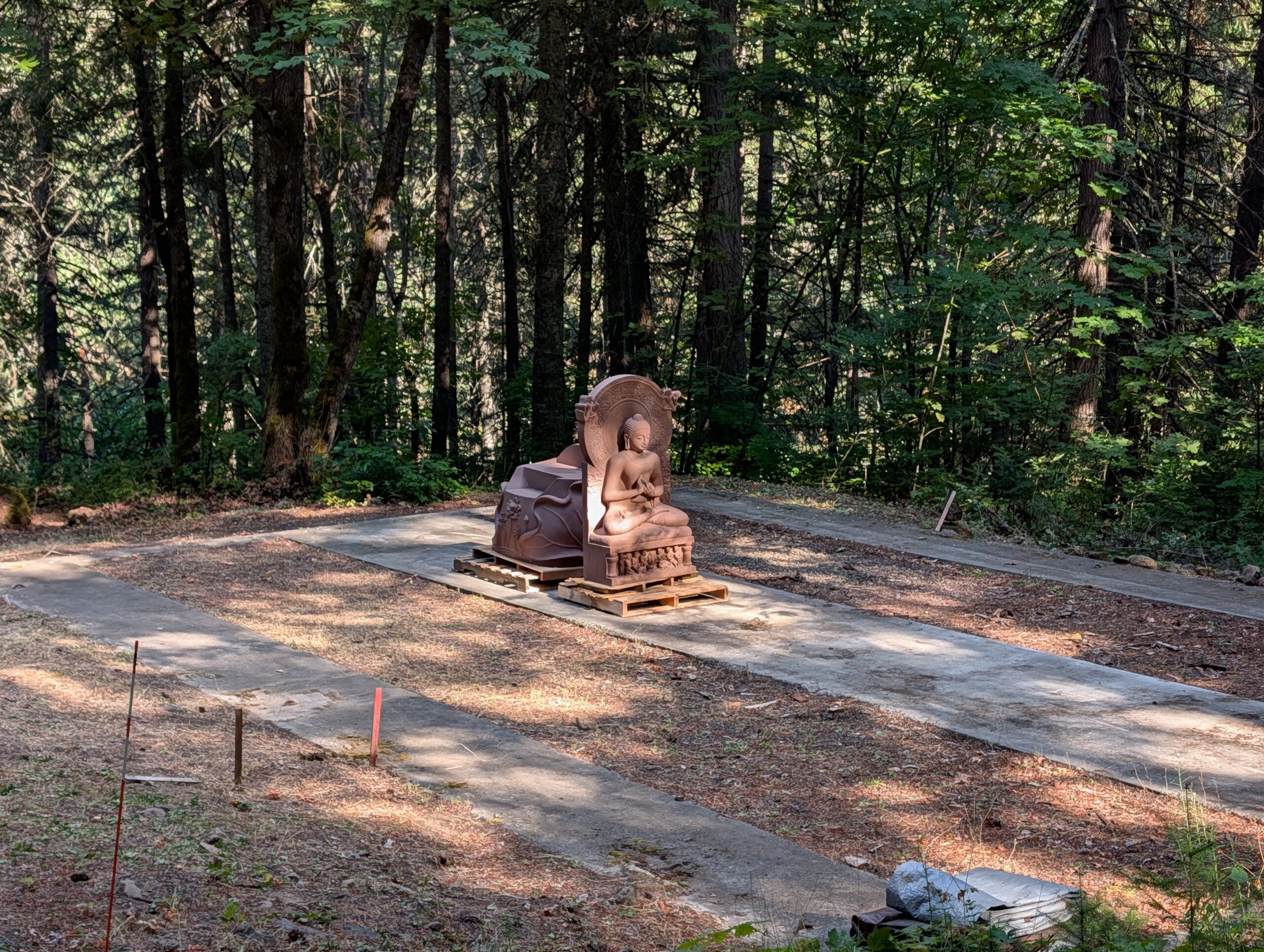
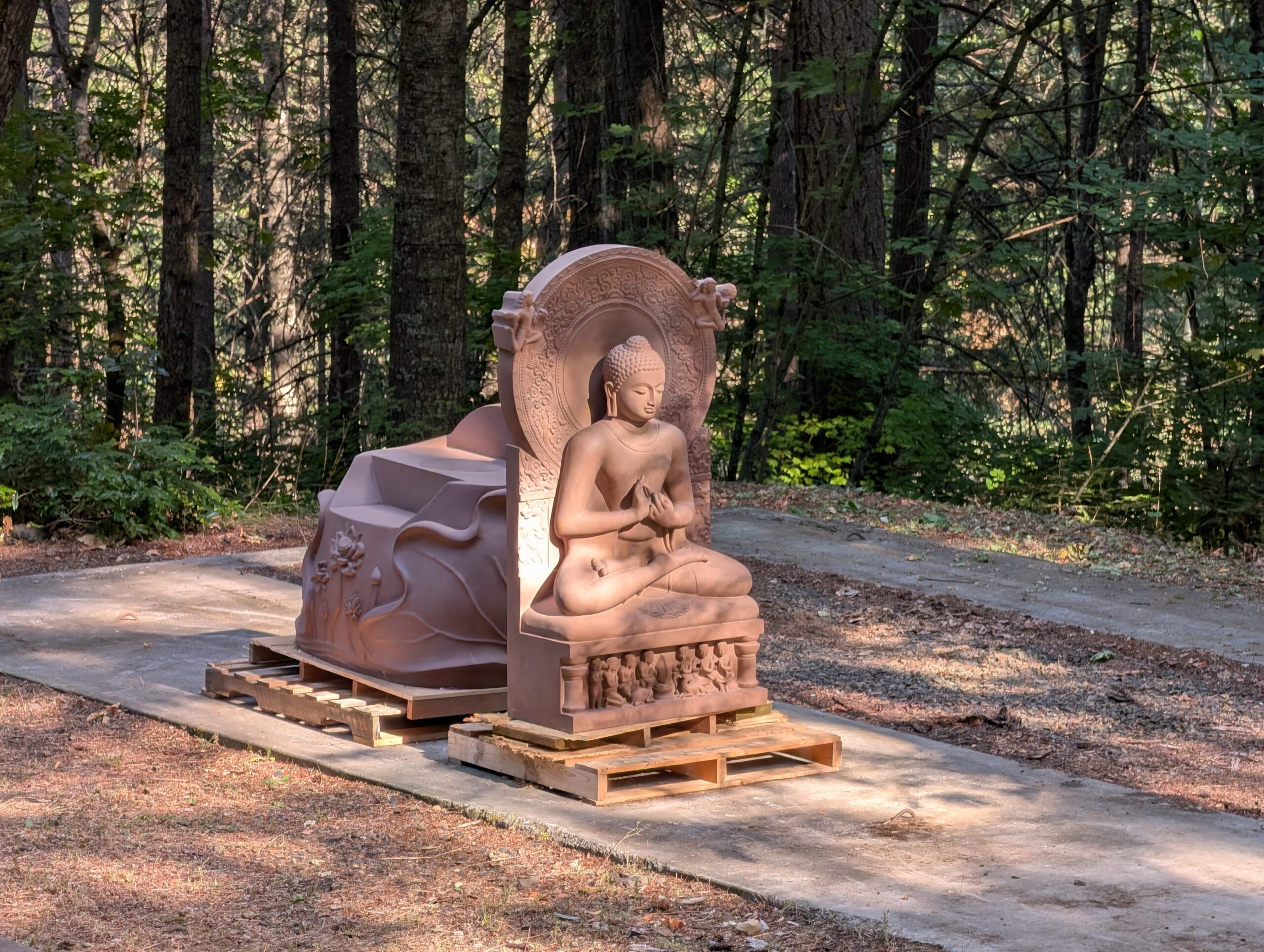
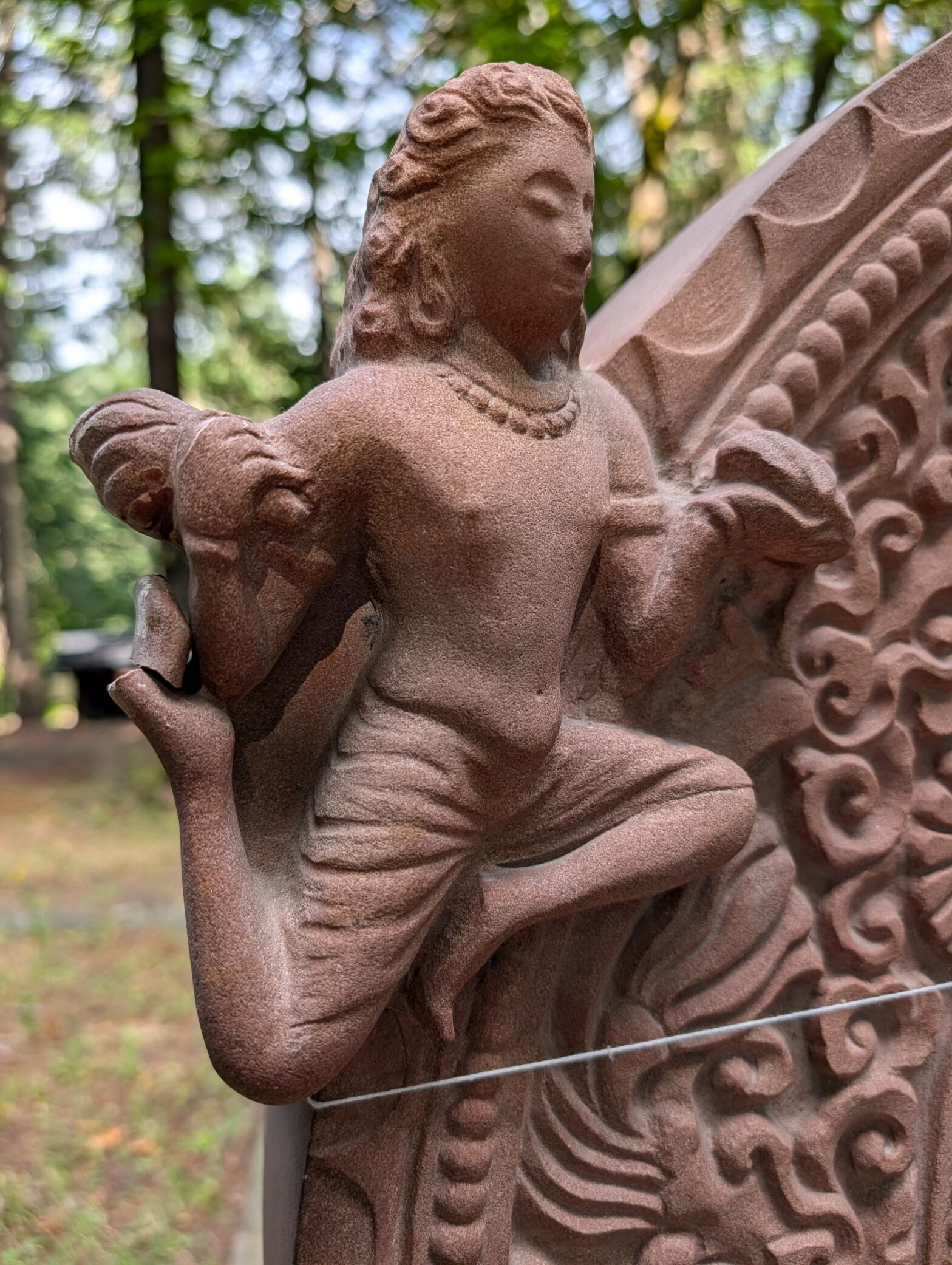
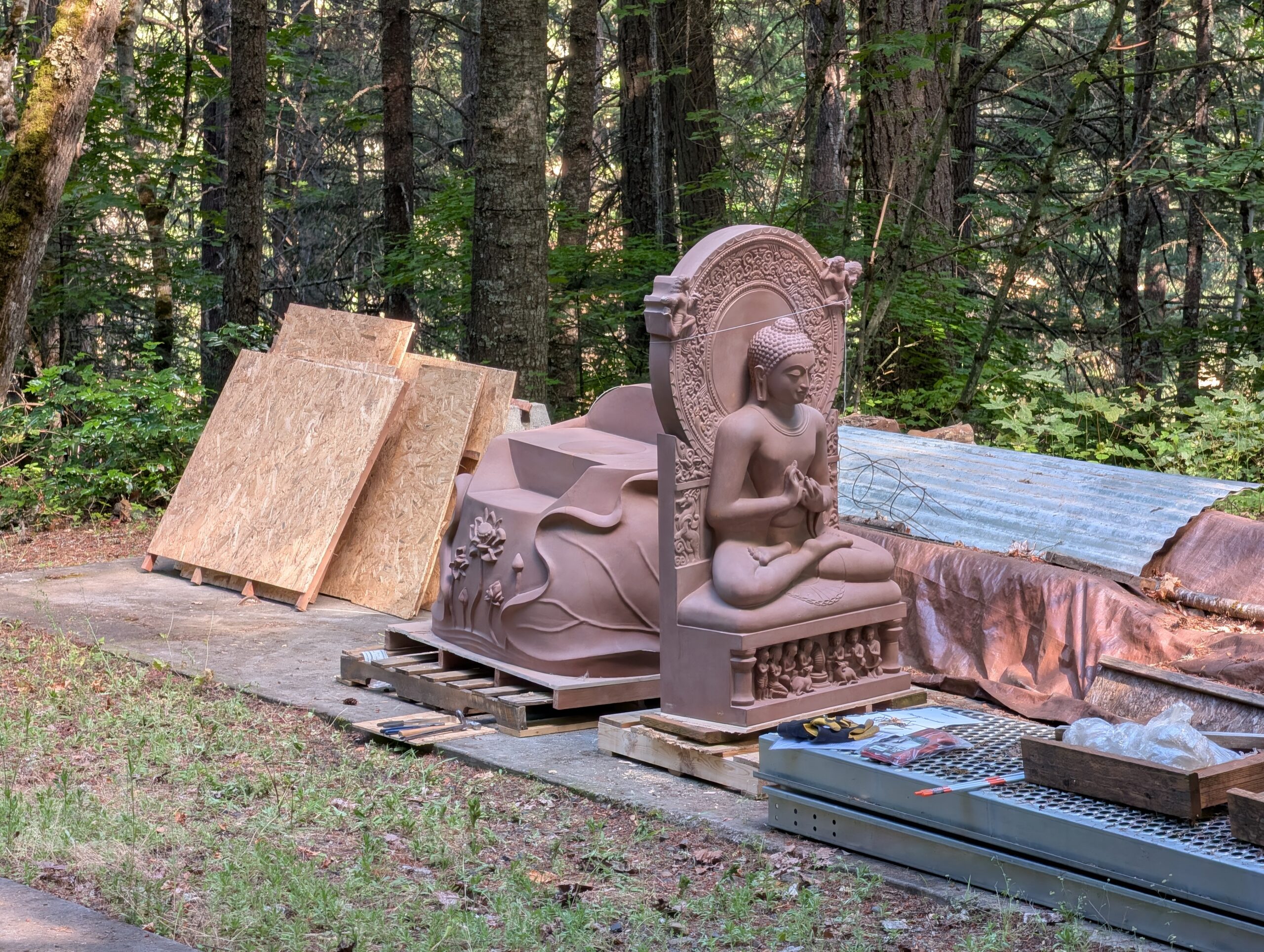
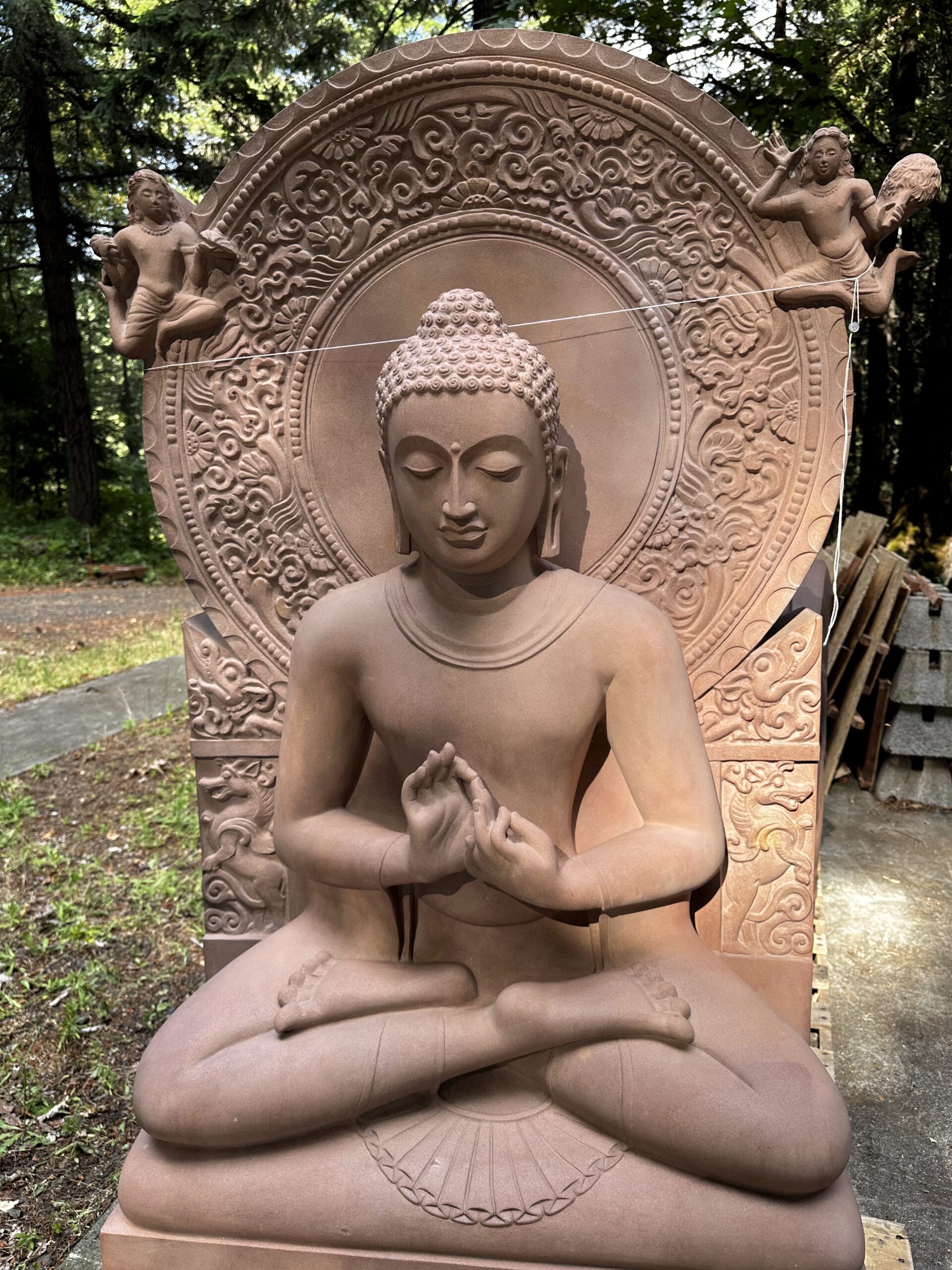
While traveling in Thailand recently, Ajahn Sudanto was offered a beautiful Buddha statue and stand for the Pacific Hermitage. Depicting the Buddha’s first teaching at Deer Park, the statue is a replica of a renowned piece of Indian art from about 500 CE currently housed in a museum in Varanasi, India.  The image shows the Buddha’s hands in the Dhammacakka mudrā, signifying the setting in motion the Wheel of Dhamma.  The original is considered one of the most important masterpieces of Buddhist sculpture in world, and it fully conveys the concept of the Dhammacakkappavattana Sutta, the teaching on the four noble truths.

The image offered is crafted from red sandstone, is slightly taller than 5 feet, and weighs more than 1,700 pounds. The offering was made specifically for the new Monks’ Retreat House to be built at the Hermitage (more on this below).

How the Offering Happened

Many kind people were involved in this offering, and how it came about seems quite auspicious. Ajahn Sudanto was visiting the Wat Pah Boonlorm monastery in Ubon, Thailand. The Vice-Abbot, Ajahn Dhirapanno, had commissioned a Buddha statue for a new uposatha hall to be built.  As is customary, a twin of the image was made at the same time.

When Ajahn Sudanto admired the Buddha image, Ajahn Dhirapañño coordinated with the sponsor of the images to offer its twin to the Pacific Hermitage.  Our community is very grateful to Ajahn Dhirapañño and to the sponsor, Phra Luang Por Suthum Sudhammo, Abbot of Wat Baan Taad monastery, along with a main supporter, Dr. Narirat and her family, for this very generous gift.  In addition, a sandstone pedestal base for the image was offered by Khun Sirichai and his family, the owners of the factory where it was made.

As is the custom, Ajahn Dhirapañño offered to name the Hermitage’s image. “Pariyosāna Sakyāmuni,” means “Śākyamuni, the Sage who has attained the serene and consummate fulfillment of Dhamma.”

Ajahn Sudanto went to the factory to chant blessings and invite the Buddha to the Pacific Hermitage. He invited Ajahn Achallo, Abbot of Anadagiri Monastery in Petchabun, Thailand, and Ajahn Ñyaṇiko, Abbot of Abhayagiri Monastery in California to join him for this joyous occasion.

Beautiful Connections to our Roots in Thailand

It is particularly meaningful that this extraordinary Buddha image offered is the twin of the one at Wat Pah Boonlorm, an Ajahn Chah lineage monastery in Thailand.  And in another sweet connection, even the source of the sandstone is from an area near Kahi Yai National Park in Nakhon Ratchasima, Thailand where Ajahn Sudanto went on pilgrimage with one of his early teachers, Ajahn Gunha. Having this image enshrined at the Pacific Hermitage will be a powerful symbol of the connection with our Thai Forest family right here in the Pacific Northwest.

The New Monks’ Retreat House to Be Built

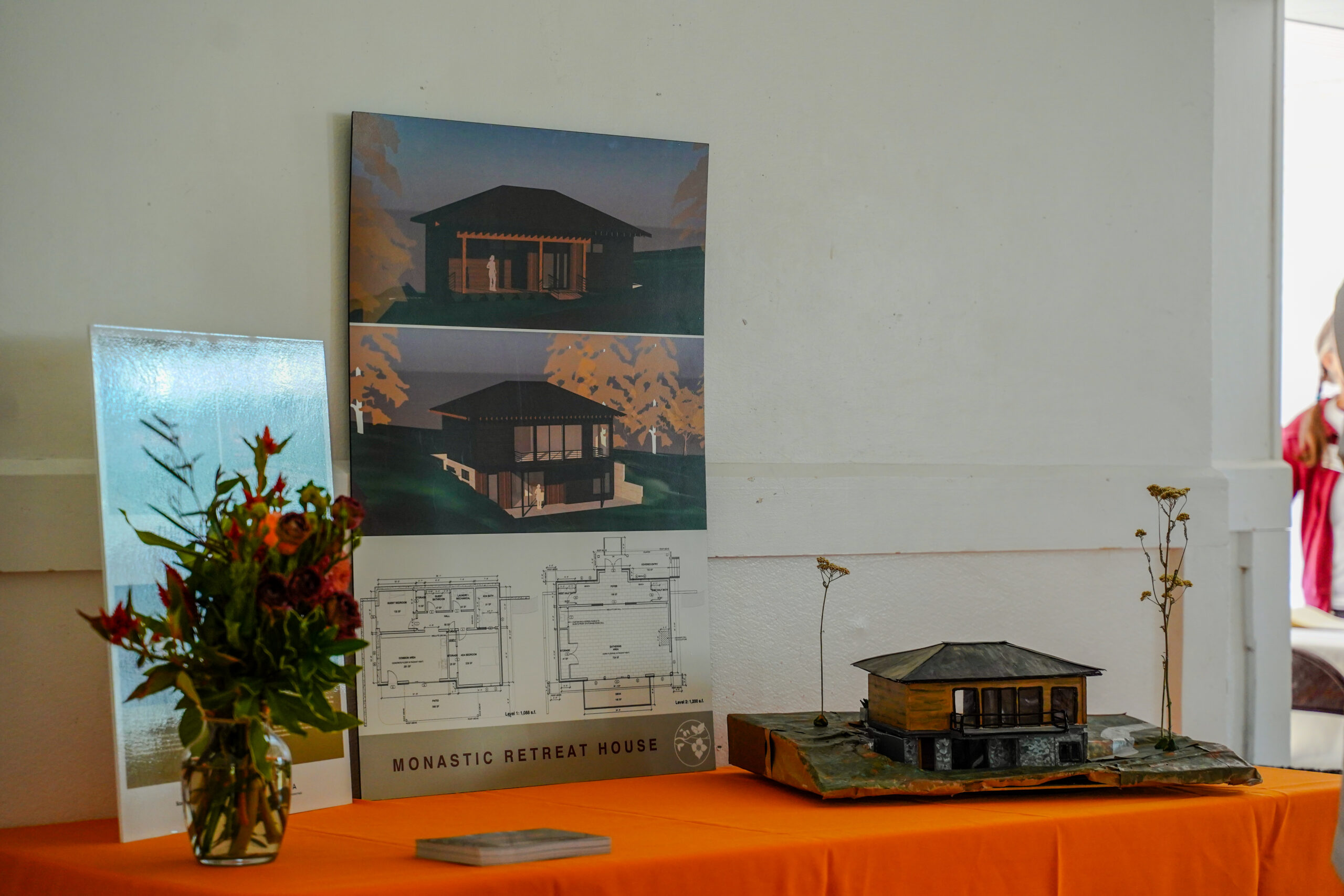
It is timely that the offering was made specifically for the new Monks’ Retreat House to be built at the Hermitage.  Architectural Plans have been completed, and now everything is in place to move forward with this important project as soon as sufficient funds have been raised.

The Retreat House will be a multi-use space, but its primary purpose is to suitably accommodate senior monks in our Thai Forest tradition for visits and periods of solitary retreat. Features of this two-story dwelling include an accessible sleeping room with an en-suite bathroom, separate living space for an attendant, a kitchenette, and restrooms. It will also have a peaceful meditation and gathering space with expansive views of the forest that may be used for a variety of occasions.

This project is important because currently there are no suitable accommodations to house esteemed elders in our tradition such as Luang Por Pasanno, Luang Por Sucitto, visiting Thai senior Ajahns, or others in that generation of senior monastics. Once the Retreat House is in place, we will be able to invite these elders to spend extended periods of time with us right here in White Salmon. The community would have the chance to offer alms, engage in Dhamma discussions, and practice with them – in that small town, unstructured way that can actually happen in a place like the Hermitage.

The Retreat House will be the final major building project for the Hermitage, with only an additional monk’s cabin and some small renovations necessary to complete the vision for the hermitage facilities.  We are hoping to have the project largely funded by 2027 so it may be completed by our 20th anniversary in 2030.  While it is a bold goal, the immense value to the community and impact on the Sangha makes us hopeful we can achieve it. And the new Buddha image is certainly a beautiful way to begin!

How You Can Help

For anyone who is interested in contributing, you can donate through the Sanghata organization that supports the monks.  You can designate the funds for the project by putting “Monks Retreat House” in the comment.

New Temporary Dana Coordinator

Chris Holcombe, a dedicated practitioner living in Fairview, Oregon, will be serving as our temporary Dana Coordinator. Chris has enjoyed visiting the Hermitage over the years with his family, and steps into this role with a spirit of generosity and care.  He looks forward to supporting the flow of dana and connecting with the community.  As always, you can reach the dana coordinator at dana@pacifichermitage.org.

Our Dana Coordinator, Cāgasiri, was recently involved in a car accident and is currently recovering from a traumatic brain injury. While she will miss being in touch with everyone during this time, her focus now needs to be on rest, healing, and recovery. We hold her with deep care and kindness as she takes the time she needs.

We are grateful to Chris for offering his time, energy, and willingness to serve in this interim period, anumodana!